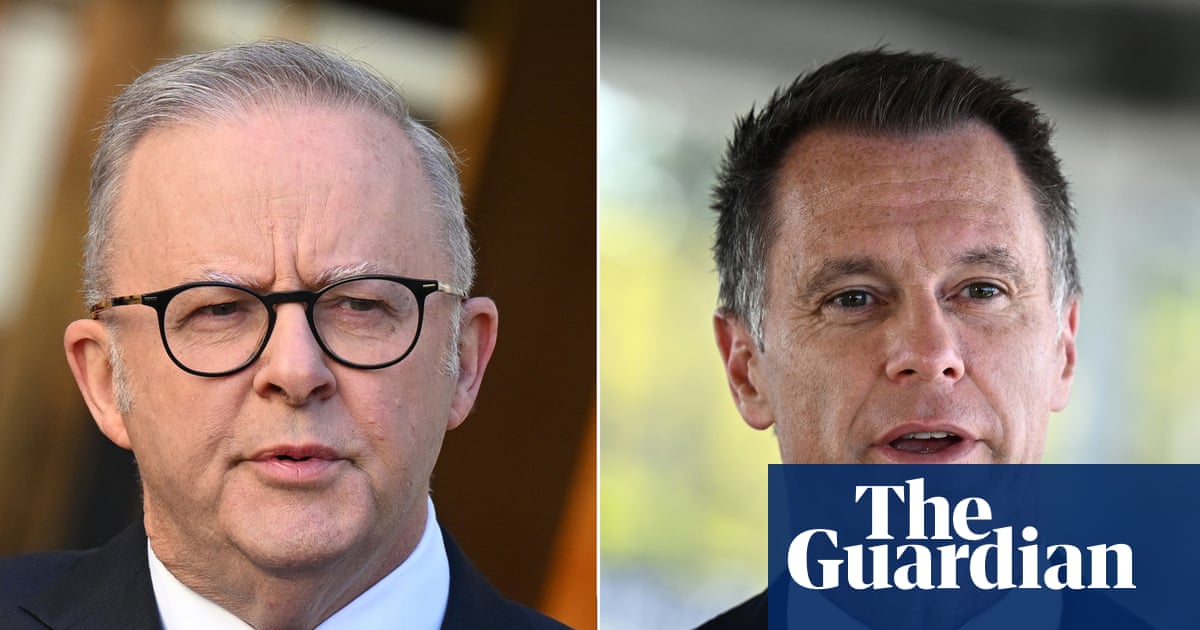
Rising interest rates and persistent inflation are placing intense strain on households and businesses, driving a sharp economic debate over government spending, global market forces, and the daily realities facing consumers. With monetary authorities signaling further tightening to curb price pressures, political figures and industry representatives are sharply divided over who bears responsibility for the country's ongoing economic headwinds.
Political leadership at the state level has issued stark warnings about the real-world impact of additional monetary tightening. The leader of the nation's largest state economy warned that further interest rate increases could deal a devastating blow to local commerce. Pointing to the fragile state of main street businesses, he stressed that another rate increase is far from a simple technical decision, cautioning that it will force job losses and cause businesses to close permanently, noting there will be "jobs that go that will never come back" and "shops that close that do not reopen."
Government Spending and the Inflation Trap
The debate over how to tame inflation has increasingly turned toward public sector budgets. While national fiscal authorities maintain that international disruptions—including geopolitical conflict in the Middle East—remain the primary driver of persistent inflation, critics argue that fiscal restraint must start at home. Calls are growing for both national and regional governments to rein in public outlays to help reduce overall demand in the economy.
Yet, many feel that national economic leadership has been too slow to act, relying almost exclusively on central bank policy to handle the heavy lifting while public spending continues to expand. Some point to costly government projects, event commitments, and public sector programs as evidence that spending controls have faltered. As one observer noted:
"There are plenty of places to question government priorities before anyone starts talking about higher taxes or cutting frontline services."
At the same time, defenders of public spending emphasize that domestic policy changes cannot fully isolate the country from wider global instability. With inflation rising across multiple international jurisdictions, government figures contend that even drastic domestic budget cuts would not entirely erase global cost pressures.
The Human Cost on Households and Workers
For everyday workers and mortgage holders, the theoretical debate over demand management and supply chains translates directly into squeezed household budgets. Labor advocacy organizations and social service groups warn that households have reached their breaking point, unable to absorb further increases in borrowing costs after months of compounding price hikes for essentials like groceries, housing, and energy.
Community advocates argue that aggressive rate increases penalize ordinary workers for economic factors entirely outside their control. Rather than continuously tightening borrowing conditions, advocates urge policymakers to focus on lowering direct living costs, including healthcare, housing, and utility bills. Pushing rates higher risks driving up unemployment and locking vulnerable citizens out of the workforce for years.
Frustration is also mounting over broader economic governance and systemic inaction. Many feel trapped between rising interest costs on one side and a lack of meaningful tax or productivity reforms on the other. Reflecting this widespread sentiment, one individual expressed exhaustion with the broader political climate:
"Our current financial woes are the result of decades of short-sighted policy by all major parties. We need better opposition and more bipartisanship. I am very tired of the race to the bottom our politicians seem to be following."
A Difficult Path Ahead
As decision-makers weigh their options, the core tension remains unresolved: how to bring down persistent inflation without tipping the economy into a sharp contraction or inflicting irreversible damage on small businesses. While official projections hold out hope for a stabilization in prices, the immediate climate remains fraught with public frustration and political disagreement. Whether through targeted budget reductions, productivity investments, or structural reforms, taming inflation will require balancing fiscal responsibility with direct relief for struggling households.

